Hurricane-Ready Interior Design: Protecting Your Luxury South Florida Home Without Sacrificing Style
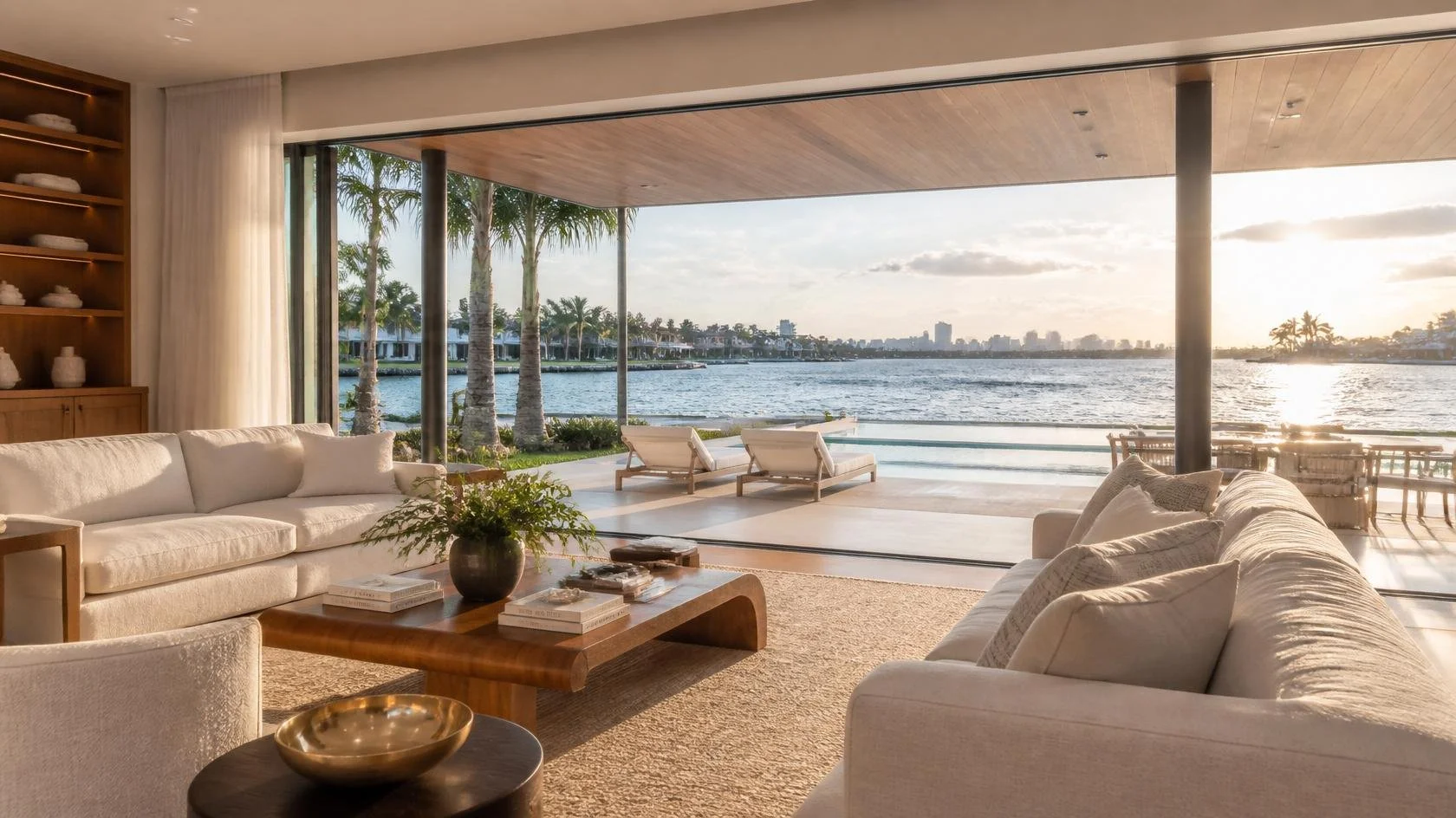
Hurricane-ready interior design protects your home without making it look storm-proofed
Hurricane-ready interior design in South Florida means building storm protection into the design from the start — impact windows, engineered anchoring, and climate-appropriate materials — so your home is protected without looking like a bunker. The best approach treats hurricane season as a design constraint to plan around, not an emergency to react to every June. Homes designed this way keep their architectural character while meeting Florida's building codes, and the owners spend far less time each storm season scrambling to protect what they've invested in.
We're now well into the 2026 Atlantic hurricane season, which runs June through November and peaks in August through October. If your home's interior — furniture, art, window treatments, outdoor living spaces — hasn't been planned with storm season in mind, now is the right time to address it, before a storm is on the radar and your options narrow to whatever's left in stock.
How do you hurricane-proof a luxury interior without it looking like a bunker?
You hurricane-proof a luxury interior by choosing protection systems that are engineered first and aesthetic second — impact windows that look identical to standard glass, or shutter systems in colors and profiles matched to your architecture, rather than bolted-on storm panels chosen for price alone. The visual difference between a well-planned storm-ready home and a reactive one is immediately obvious, and it shows up in resale value too: homes with visually cohesive protection systems generate more showing interest than homes with visibly industrial hardware.
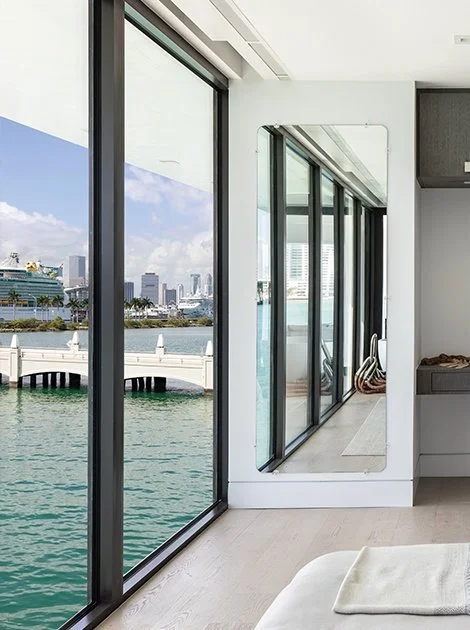
A few option to discuss with your contractor:
Impact windows are close to indistinguishable from standard glass once installed, and current-generation interlayers hold up significantly better under the sustained pressure cycling of a multi-hour storm than older laminates. They're the highest upfront cost option, but they also mean no deployment step before a storm — a real advantage if you split time between homes.
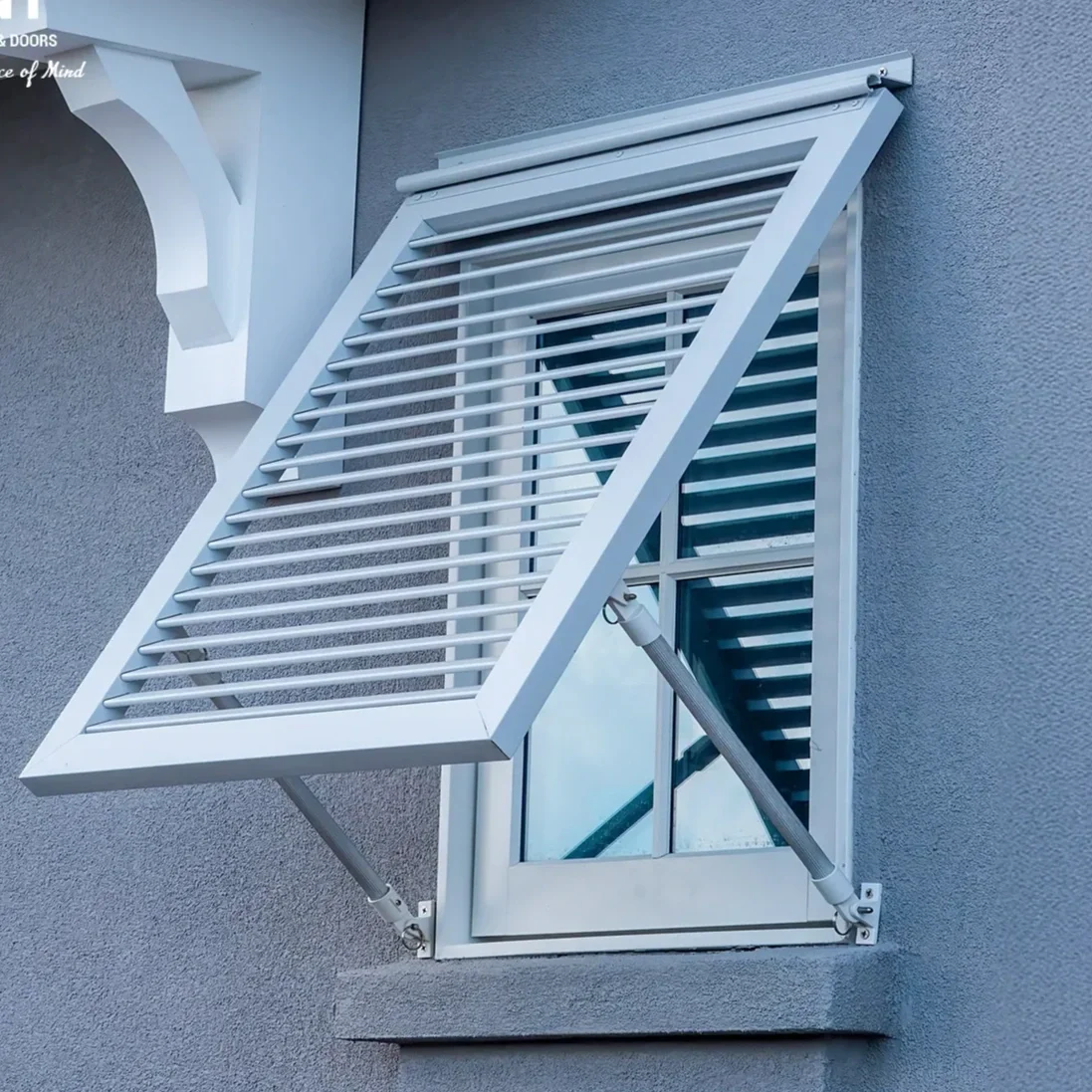
Bahama and colonial shutters double as daily sun and rain control — not just storm protection — and read as an intentional architectural feature rather than an add-on, particularly on coastal and Mediterranean-influenced homes.it is, the way you tell your story online can make all the difference.
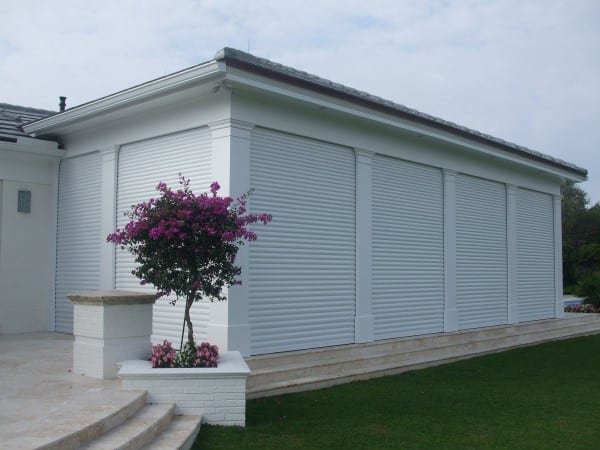
Roll-down shutters retract into a housing that's nearly invisible against the facade, which makes them a strong fit for clean, modern architecture where visible hardware would compete with the design.
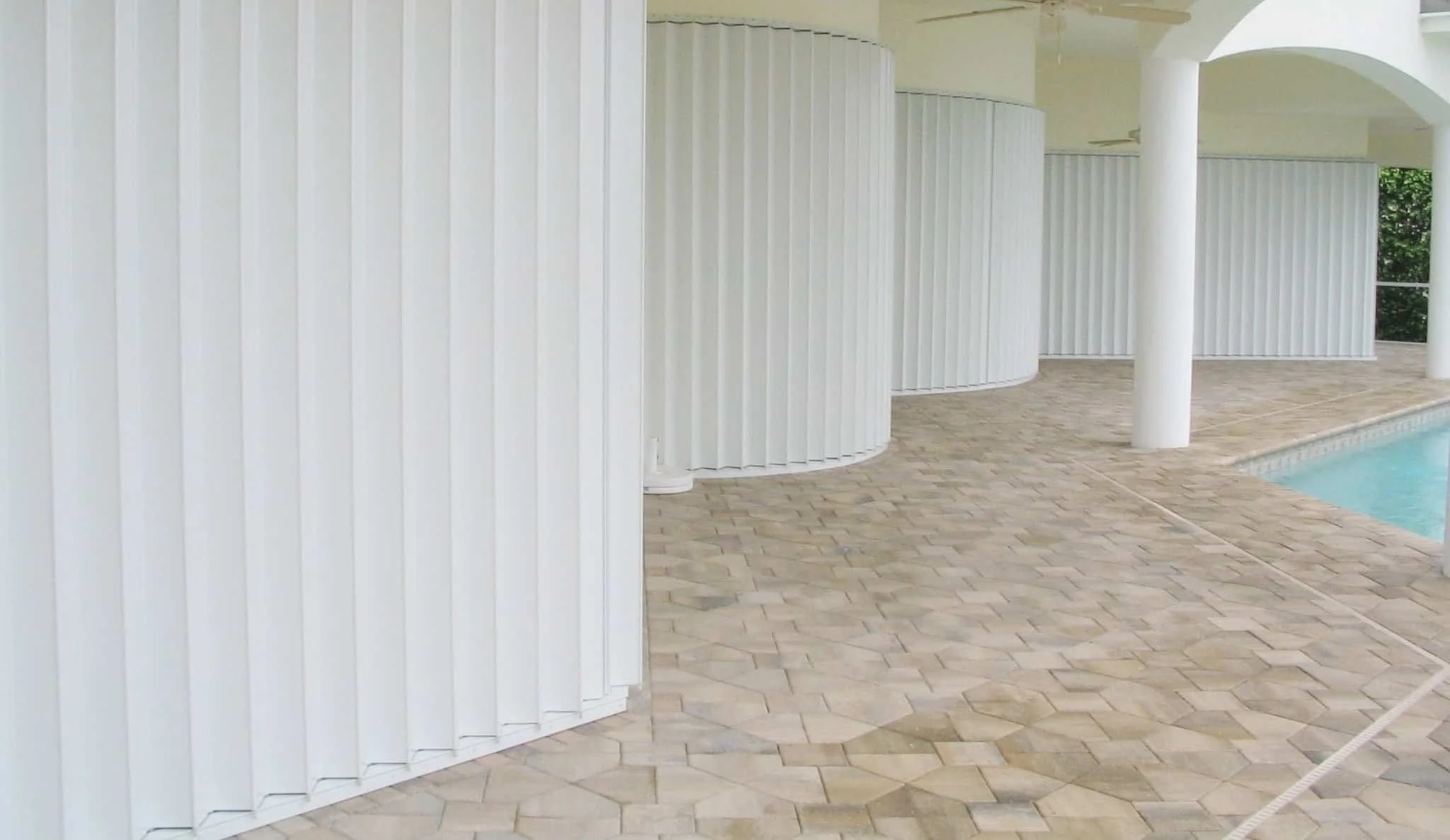
Accordion shutters are the option most South Florida homeowners actually install, since they're Miami-Dade approved, close in minutes by one person with no heavy panels to store, and typically cost far less than impact windows. Also great for unusual shaped openings. The trade-off is visible aluminum tracks flanking every opening year-round, and a "cave-like" feel once deployed — real drawbacks for an architecture-forward home, though custom powder-coating in a color matched to your trim goes a long way toward softening that look.
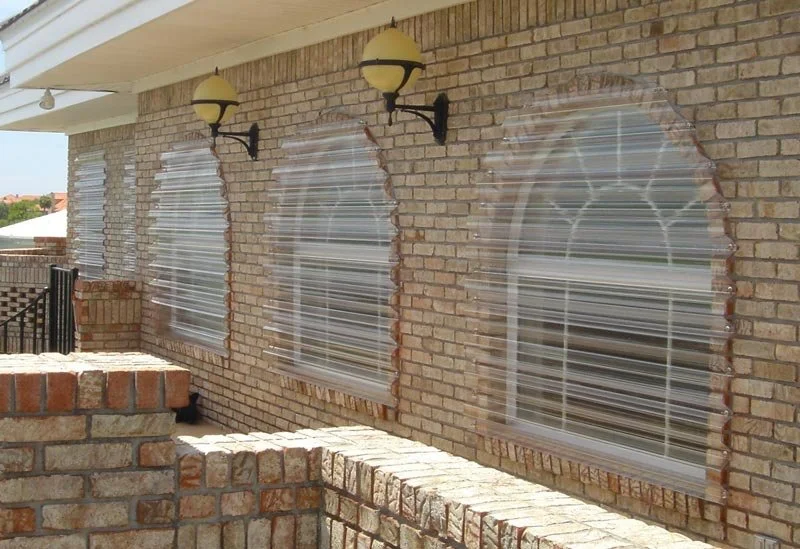
Clear and custom color-matching on any shutter system prevents the mismatched, retrofitted look that hurts curb appeal; white-on-white or trim-matched shutters read as original to the home. Whatever it is, the way you tell your story can make all the difference.
The point isn't to pick the most expensive option — it's to choose the system that fits your architecture and how often you'll actually be there to deploy it, and to specify it during design rather than adding it as an afterthought once the windows are already installed.
What should you do to protect furniture, art, and valuables before a storm?
Protecting furniture, art, and valuables before hurricane season means moving anything vulnerable away from window lines, documenting high-value pieces for insurance, and having a clear storm plan for anything too large to relocate quickly — ideally decided months in advance, not during a hurricane watch. This is where a full-service designer's furniture and material choices from the original project pay off, because pieces specified for South Florida's climate are also generally easier to protect or replace if damage does occur.
Practical steps worth building into your seasonal routine:
Document everything now. Photograph art, furniture, and collectibles with purchase records, appraisals, and certificates. Standard homeowners insurance typically caps coverage on valuable articles well below replacement cost, so a separate valuable-articles policy is worth confirming before, not after, a loss.
Plan storage for what can't stay in place. If you split time between a South Florida home and elsewhere, or if a piece is especially vulnerable to humidity or flooding, climate-controlled storage — ideally in a storm-rated facility with backup power — is worth arranging ahead of peak season rather than during an active watch.
Secure or relocate outdoor furniture and decor early. Anything left on a lanai or terrace becomes a projectile risk in sustained winds. Furniture chosen in marine-grade aluminum and weighted bases is easier to manage than lightweight pieces, but even well-built outdoor furniture should come inside or into covered storage before a storm.
Protect large, immovable pieces in place. For oversized furniture, sculpture, or built-in features that can't be relocated, lay vulnerable pieces flat and away from window lines rather than leaving them upright and exposed.
A realistic scenario: a waterfront home in Delray Beach with a full wall of glass facing the Intracoastal was designed with impact-rated windows and a curated collection of investment-grade art. Because the art was documented and insured at the time of installation, and the window system was specified — not retrofitted — during the original design phase, the owners' pre-season routine each June is a single afternoon of confirming insurance is current and outdoor furniture is stored, rather than a scramble to source shutters or storage space during an active storm watch.
Should hurricane protection be planned during design, or added afterward?
Hurricane protection should be planned during the design phase whenever possible, because window systems, furniture anchoring, and material choices are far more expensive and disruptive to change after installation than to specify correctly the first time. Retrofitting shutters onto a completed facade, or discovering that an antique piece can't be adequately protected in place, are the kind of costly corrections that a design phase built around South Florida's climate and code requirements is meant to prevent.
This is one of the clearest cases where the value of full-service design shows up outside the renovation itself. A designer who specifies materials and window systems with hurricane season in mind isn't just solving for how a room looks on installation day — they're solving for how it holds up, and how easy it is to protect, every June through November after that.
FAQ
Do impact windows really look different from regular windows? In most cases, no. Once installed, impact windows are difficult to distinguish from standard glass at a glance, which is why they're often preferred over visible shutter systems in architecture-forward luxury homes.
Does homeowners insurance cover art and valuables in a hurricane? Standard homeowners policies typically provide limited coverage for high-value art, jewelry, and collectibles. A separate valuable-articles or scheduled-items policy, backed by documentation and appraisals, is the more reliable way to protect significant pieces.
When should I start hurricane prep for my home's interior? Ideally before hurricane season begins in June, with documentation, storage plans, and any window or shutter upgrades finalized well ahead of peak season in August through October, when contractor availability and product lead times tighten.
Can hurricane shutters match my home's existing design? Yes. Custom color-matching and shutter styles — roll-down, accordion, or colonial — can be selected to complement rather than contrast with a home's existing architecture and trim colors.
What's the biggest mistake homeowners make with hurricane prep? Treating it as a last-minute checklist instead of a design decision. Retrofitting protection after a home is finished, or leaving valuable pieces undocumented and uninsured, are both far more costly to fix after the fact than to plan for during design or renovation.
Ready to storm-proof your home without losing its style?
If your home's windows, furniture, or art collection haven't been evaluated with hurricane season in mind, the middle of the season is still a good time to plan ahead of the next storm — not during one. Explore our Hurricane-Ready Interior Design services for Boca Raton, Delray Beach, Coral Springs, and Parkland, including the Hurricane Readiness Design Audit, or schedule a consultation to review your home's storm readiness alongside your broader design goals.
Krissy Rey Design offers full-service interior design for seasonal residents, out-of-state buyers, and busy professionals throughout South Florida, including Boca Raton, Delray Beach, Coral Springs, and Parkland.