How to Create a Realistic Renovation Budget Before Every Selection Is Made
It's the question at the heart of every renovation: how can you know what it will cost before you've chosen the tile, the countertops, or the lighting?
Waiting until every selection is made isn't practical. You need a number to plan around, secure financing, and decide whether the project is worth starting at all. But a number pulled from a neighbor's kitchen or a quick online calculator rarely holds up once real decisions begin.
The good news: you don't need every selection to build a reliable plan. You need a clear scope, smart allowances, and a disciplined approach to the unknowns. Here's how we do it.
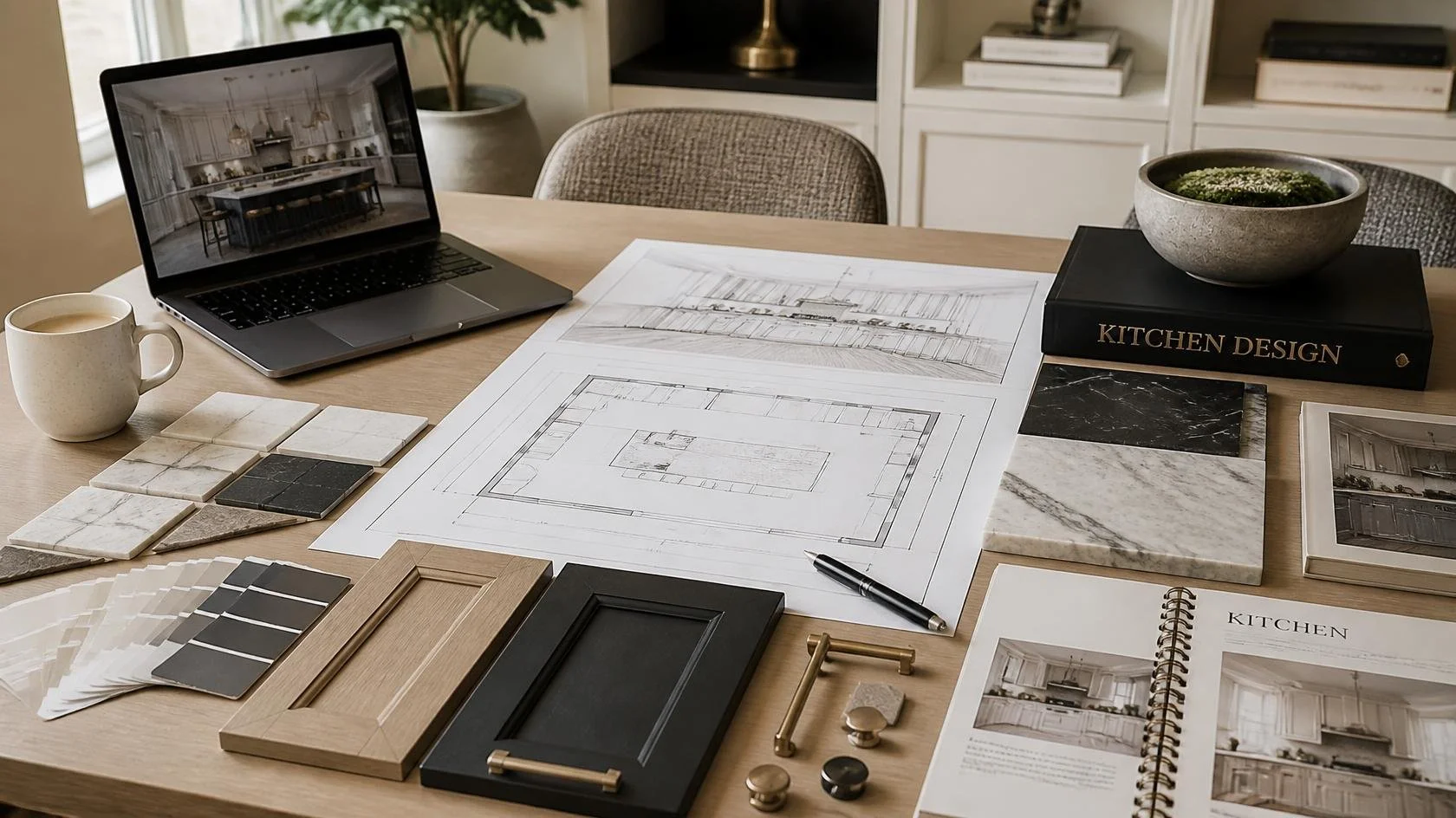
A five-step approach to a realistic investment plan
1. Define the scope before the style
Scope drives cost far more than finishes do. Moving a sink, relocating a wall, or rerouting HVAC changes the plan in ways no tile choice can. Before you think about materials, decide exactly what is changing: which rooms, which walls, which systems, and what stays.
A clear scope lets a contractor price the fixed work (demolition, framing, plumbing, electrical, drywall) with real confidence, even before a single finish is chosen.
2. Separate fixed costs from selection-driven costs
Every renovation has two kinds of cost:
Fixed costs depend on the scope: labor, permits, structural work, rough plumbing and electrical.
Selection-driven costs depend on your choices: cabinetry, stone, tile, plumbing fixtures, lighting, hardware, appliances, and furnishings.
The fixed side can be estimated early. The selection-driven side is where allowances come in.
3. Set allowances by category, and tie them to a level of finish
An allowance is a planned amount for each category not yet selected. The key is making each allowance mean something. "Tile: allowance" is a guess. "Primary bath tile: porcelain field tile with a natural stone accent wall" is a plan.
Here's what moves the cost in each major category, and how to set a realistic allowance:
Cabinetry: Cost depends on stock, semi-custom, or custom construction, door style, and interior organization. Choose the construction level first, then price the layout.
Countertops: Quartz vs. natural stone, slab count, edge detail, and backsplash height all matter. Count slabs from the plan, not square footage alone.
Tile and flooring: Material, format size, pattern complexity, and installation labor drive the number. Price material and installation together.
Plumbing fixtures: Finish, brand tier, and the number of fixtures, valves, and trim pieces add up quickly. List every fixture by room.
Lighting: The mix of decorative and recessed fixtures, plus controls, sets the cost. Start from a lighting plan, not a guess at fixture count.
Furnishings: New vs. existing pieces and custom vs. to-the-trade sourcing drive the total. Include freight, receiving, and installation.
4. Build in a contingency
Even the best-planned renovation uncovers surprises, especially once walls are opened. Many industry professionals recommend holding a contingency of 10–20% of construction costs, and more for older homes. That reserve protects the design from being compromised midway.
5. Don't forget the soft costs
The costs homeowners most often leave out aren't materials at all: design fees, permit and HOA review fees, engineering, sales tax, freight and delivery, storage, and sometimes temporary living arrangements. List them from the start so they never arrive as a surprise.
Where South Florida renovations most often drift
Allowances set too low to look affordable. A low allowance makes the first number feel comfortable, then every selection becomes an upgrade. It's better to set honest allowances up front and find savings later.
Decisions made after demolition. Once the job site is open, every day of indecision costs time, and rushed choices tend to cost more. Selections finalized before construction keep the schedule and the investment on track.
Lead times and freight. Custom cabinetry, imported stone, and to-the-trade furnishings can take weeks or months to arrive. Rush fees and reorders add up quickly.
Community approvals. Many Boca Raton, Parkland, Coral Springs and Delray Beach communities require HOA or architectural review before work begins. Review fees and schedule delays belong in the plan.
Climate-driven choices. Humidity, salt air, and intense sun affect which materials last. Choosing performance fabrics, appropriate wood finishes, and corrosion-resistant hardware from the start avoids costly replacements later.
How a designer keeps the numbers honest
A designer's value isn't only in how the finished room looks. It's in turning an open-ended wish list into a plan you can price, and then keeping every decision aligned with it.
At Krissy Rey Design, that means:
Allowances grounded in real pricing, drawn from current trade sources rather than retail estimates.
Clear priorities. We help you decide where to invest (the kitchen island, the primary shower) and where a well-chosen alternative looks just as beautiful.
Selections finalized before construction, so your contractor bids on a defined scope.
A living tracker that shows every allowance against actual selections, so you always know where the project stands.
My background is in multifamily real estate development, and I hold an MBA in Accounting and a PMP certification. I've managed budgets where every line item mattered, and I bring that same rigor to every home we design. Beautiful design and financial discipline aren't opposites; the best projects have both.
Frequently asked questions
What is a renovation allowance?
An allowance is a planned amount for an item not yet selected, such as tile or lighting. If your final choice costs more or less, the project total adjusts by the difference.
How much contingency should I plan for?
Many industry professionals recommend 10–20% of construction costs, with the higher end for older homes or projects that open walls and ceilings.
Can I get an accurate contractor bid before selections are final?
You can get a reliable bid on the fixed work. Selection-driven items will be carried as allowances until you finalize them, which is why well-defined allowances matter.
Should design fees be part of my renovation budget?
Yes. Design fees, permits, HOA review, freight, and sales tax are all real project costs. Including them from the start gives you a complete picture.
What if my selections come in over the allowance?
You have options: rebalance by choosing a different finish elsewhere, draw from contingency, or adjust the scope. A clear tracker makes those trade-offs easy to see before you commit.
The bottom line
You don't need every finish chosen to plan with confidence. Define the scope, set allowances that reflect a real level of finish, protect the plan with a contingency, and account for the soft costs from day one. Then make your selections before construction begins, and track every one against the plan.
Planning a renovation in Boca Raton, Delray Beach, Parkland or Coral Springs ? Book a consultation with Krissy Rey Design. We'll walk through your goals, define the scope, and help you build an investment plan you can move forward with confidently.
Schedule your consultation · 561-877-1101
Krissy Rey Design offers full-service interior design for seasonal residents, out-of-state buyers, and busy professionals throughout South Florida, including Boca Raton, Delray Beach, Coral Springs, and Parkland.